Aerospace Engineering Student · Purdue University
Engineering ideas
into reality.
I'm Eli Shamis, an Aerospace Engineering student at Purdue University, focused on aerodynamics and its application to race-car design — with hands-on experience in CAD, surface modeling, and aerodynamic simulation.
- 3 yr
- Aston Martin F1 apprenticeship
- 7+
- CAD projects designed
- 2029
- Expected graduation
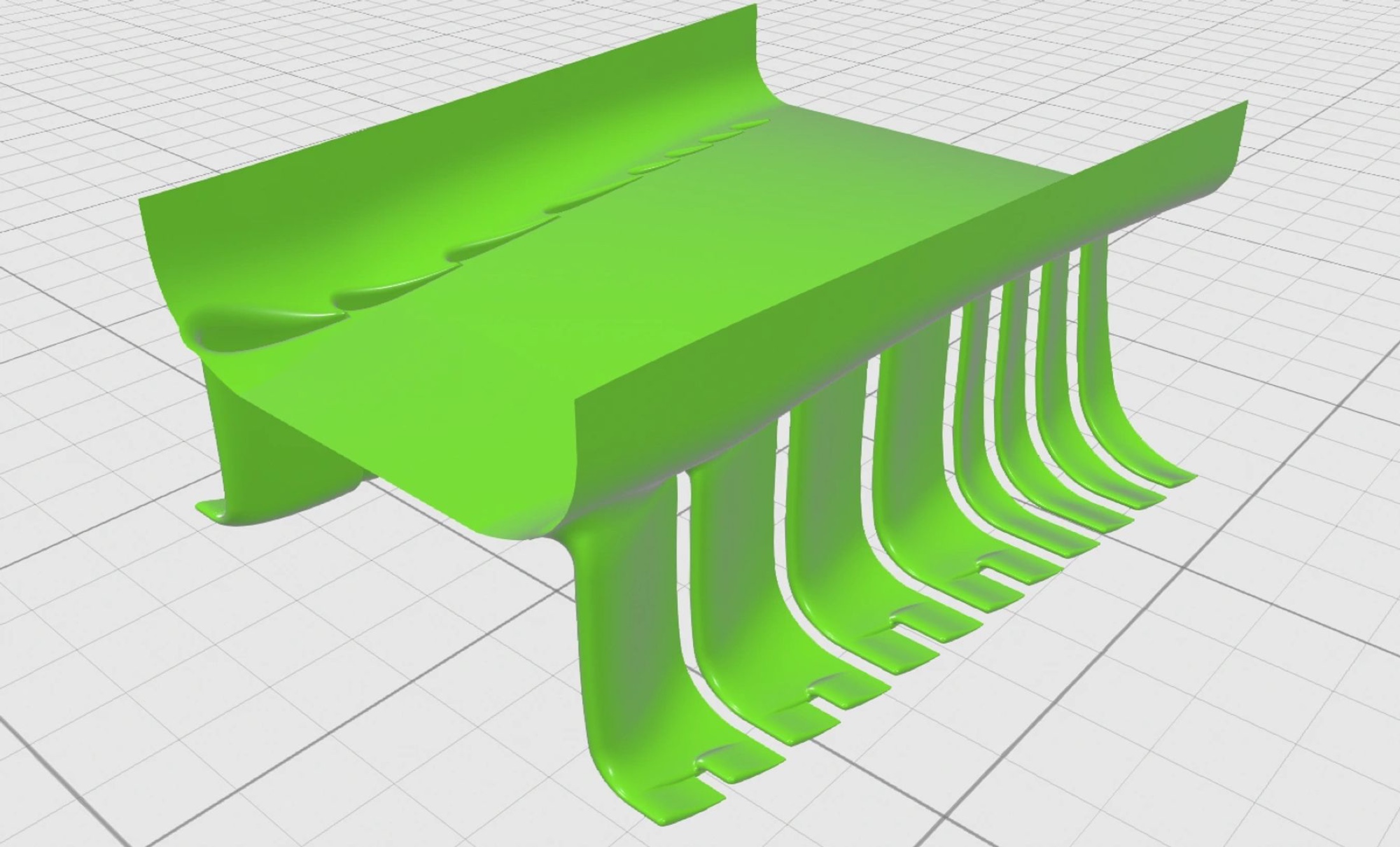
Featured study
Multi-element aero surface
Education


Purdue University — School of Aeronautics & Astronautics
Experience
Aston Martin Aramco Formula One — Apprenticeship
Tools


CAD, surfacing & aerodynamic simulation
Engineering snapshot
The tools and disciplines I build with.
A working command of parametric and surface CAD, backed by prototyping experience that keeps my designs grounded in what can actually be made.
- Aerospace Engineering
- Purdue University
- Aerodynamics
- CAD Design
- Surface Modeling
- SolidWorks
- Star-CCM+
- CATIA
- Rapid Prototyping
- 3D Printing
Selected work
Projects, from first curve to finished part.
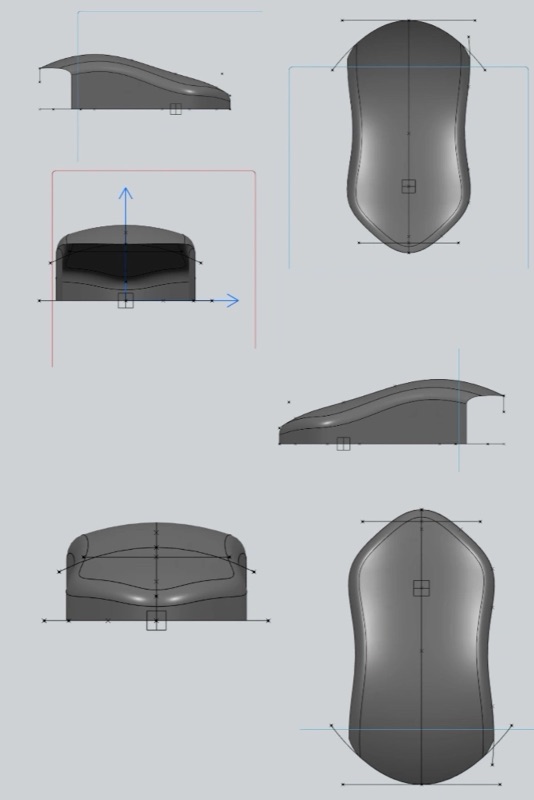
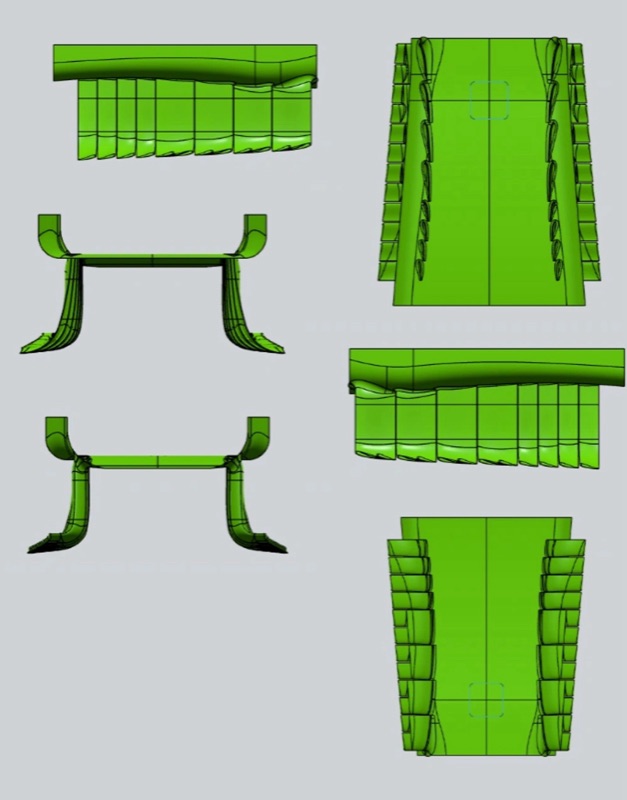
A cross-section of CAD work — surface modeling, powertrain components, and machined parts — each documenting the reasoning behind the geometry.
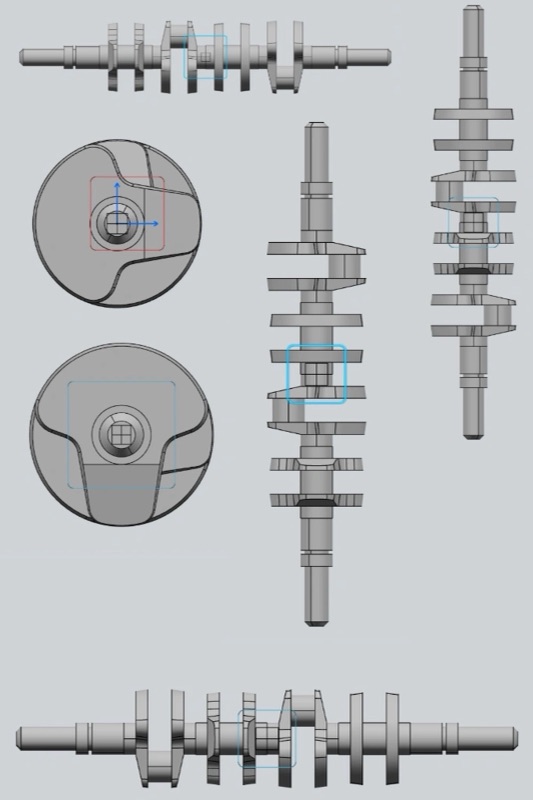
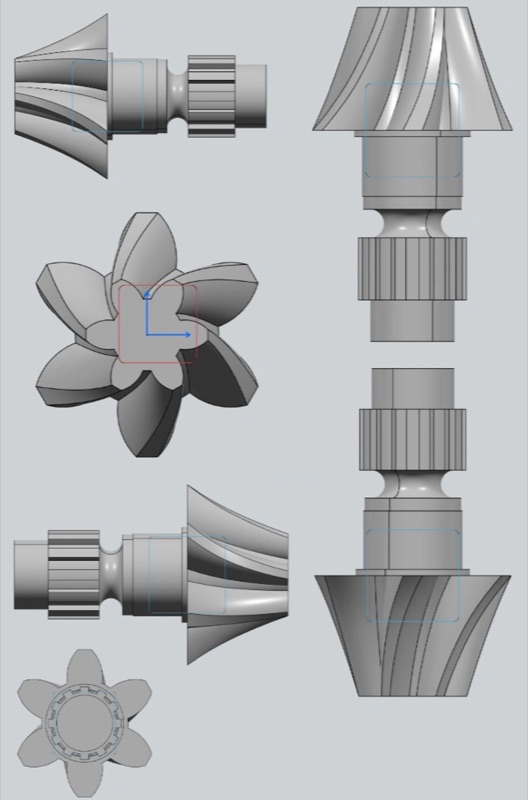
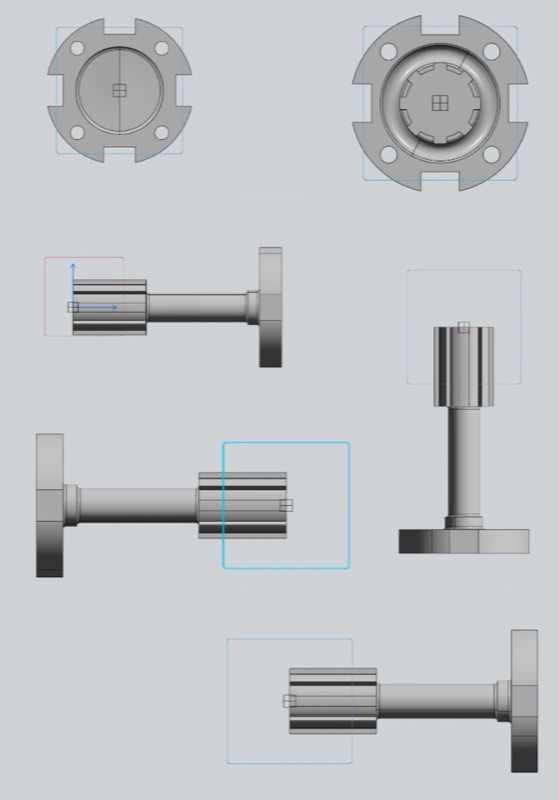
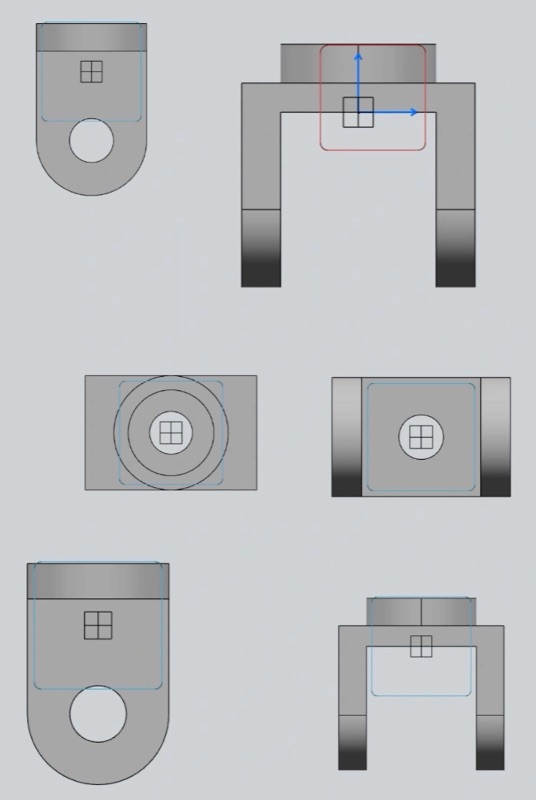
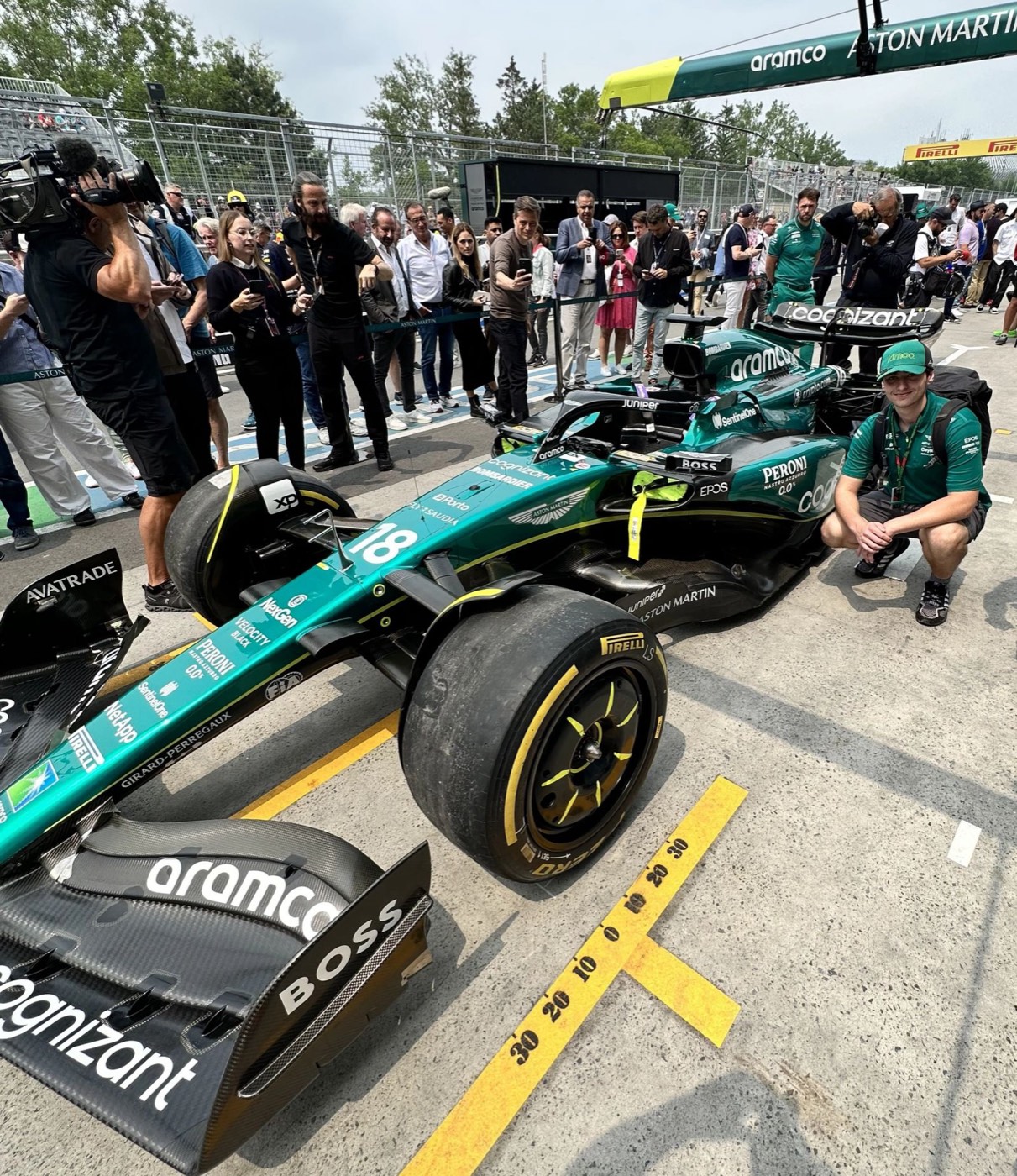
Experience · Formula One · 2022–2025
Nearly three years with the Aston Martin Aramco F1 team.
As an Aerodynamic Design Engineer Intern, I spent nearly three years with the Aston Martin Aramco Formula One team — a high-school research apprenticeship working under a team aerodynamic design lead to create and develop parts in CATIA and CFD. It was a first-hand look at how elite motorsport engineering actually happens.
Aerodynamics, applied
A multi-year research placement studying aerodynamics and how it translates into faster race-car design.
Professional CAD workflows
Hands-on time in CATIA and CFD alongside a professional design process — modeling to the standards a real team expects.
A direction set early
Nearly three years of it turned a high-school interest into a clear path toward aerospace and motorsport engineering.
About
I’m drawn to the point where an idea stops being a sketch and starts being a part — where a curve has to hold a load, fit a hand, or move air.
Most of my learning happens in iteration: model it, find where it fails, rebuild it cleaner. That loop — from parametric fundamentals to free-form surfacing — is how I’ve pushed from simple brackets to sculpted, curvature-continuous forms.
I’m studying Aerospace Engineering at Purdue, and my interests sit where aerodynamics meets race-car design — the same thread that ran through my apprenticeship with an F1 team. Anywhere precision and craftsmanship both matter.